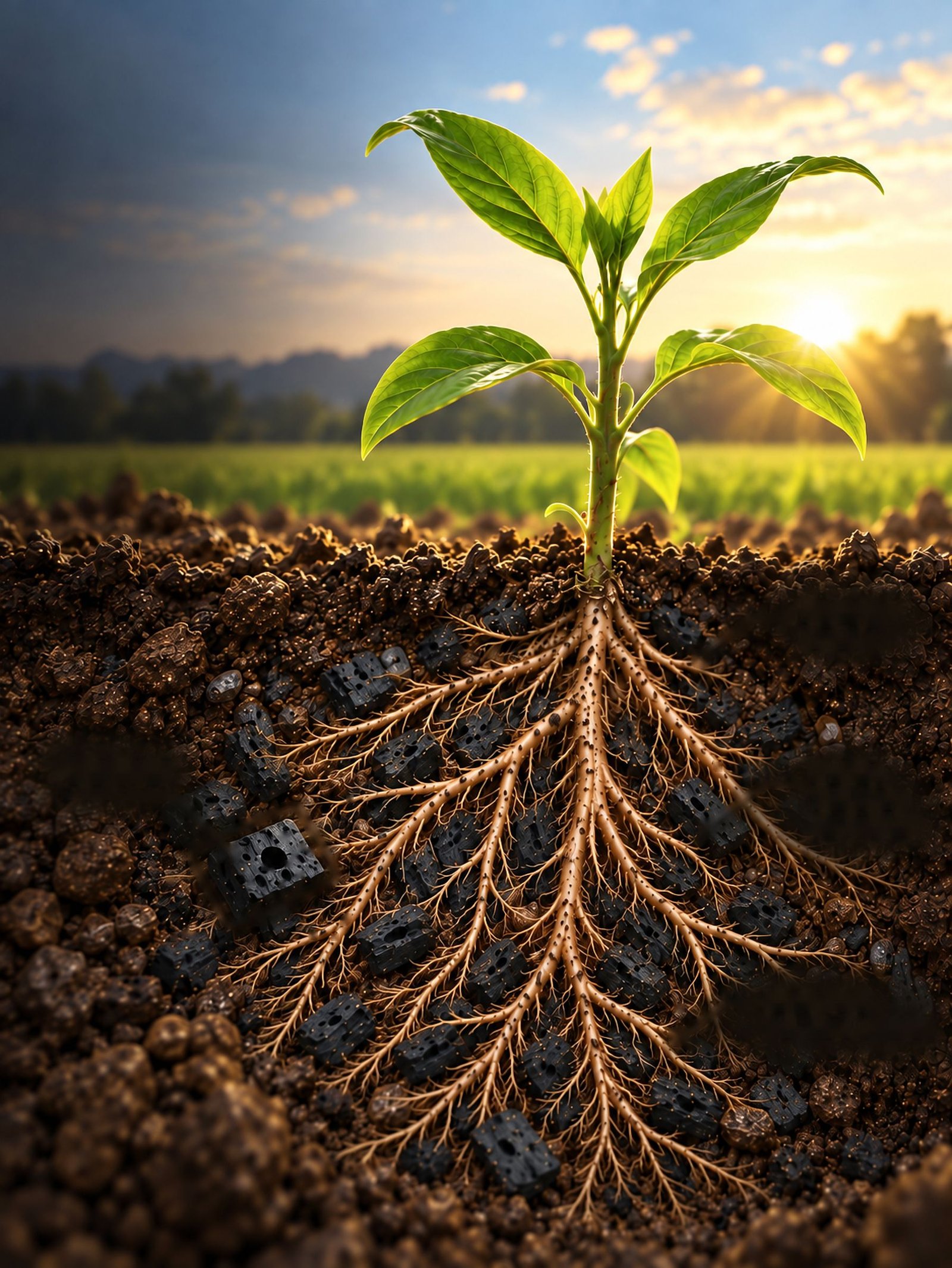
A biochar initiative by Arcus Serves Foundation
धरती को पोषण, खेती में रोशन
Sona Ugao is Arcus Serves Foundation's biochar initiative. It turns the crop residue that would otherwise be burned into biochar, made in the village with small kilns, and returns it to the same fields. The soil holds more water and nutrients, the carbon stays in the ground where it is measured, and the capability stays with the farmers who run it.
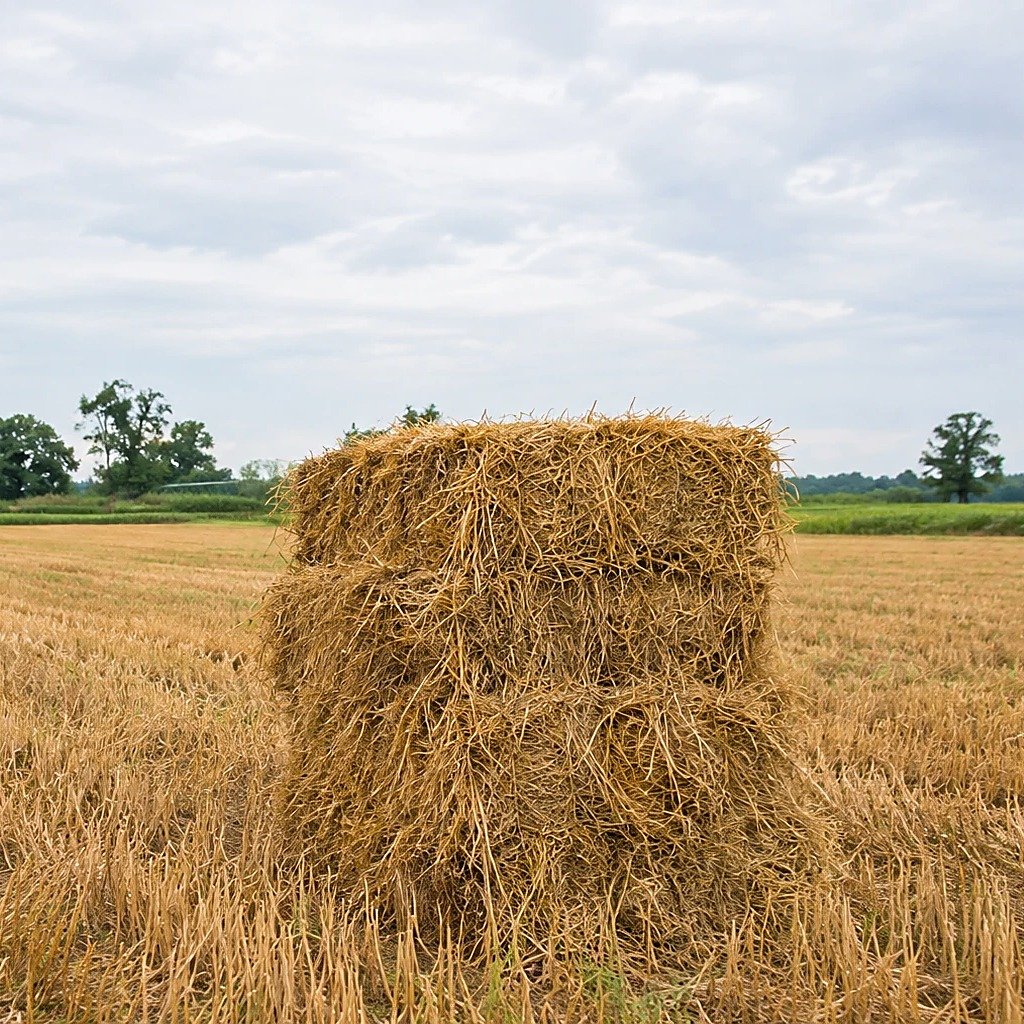
Crop residue collected after harvest
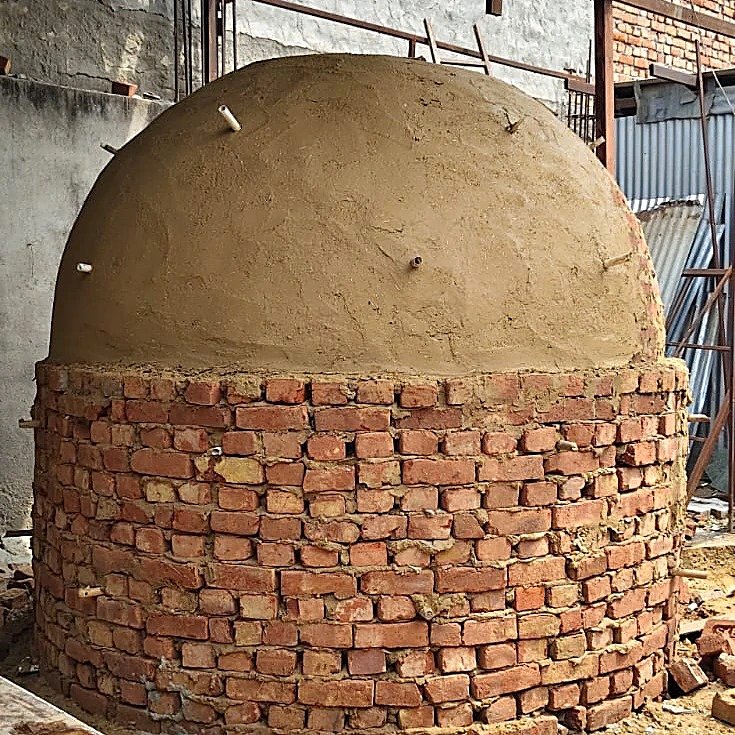
Carbonised in a small village kiln
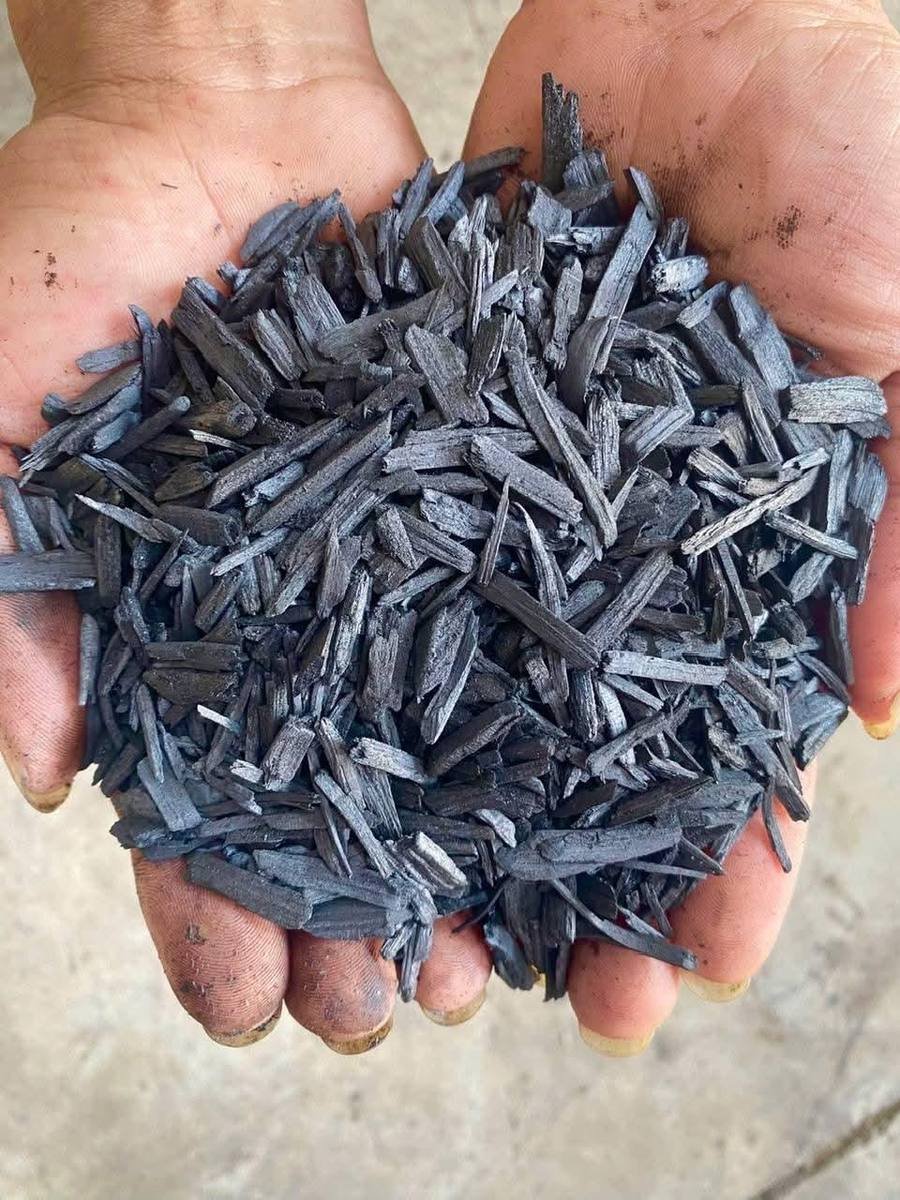
Stable carbon, ready for the field
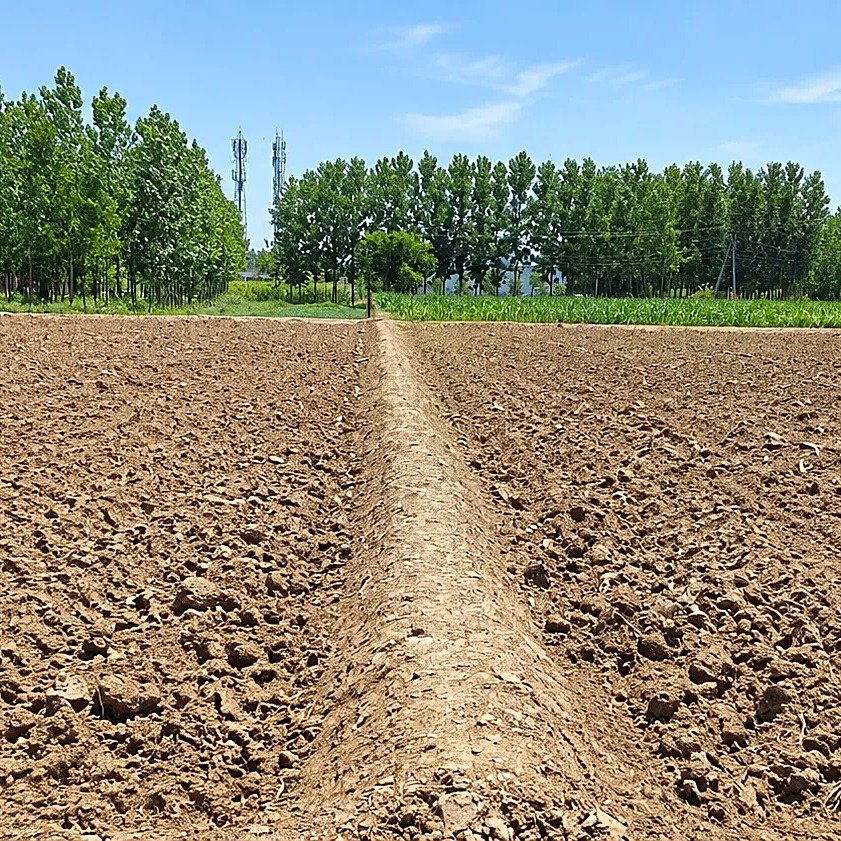
Worked into the same fields
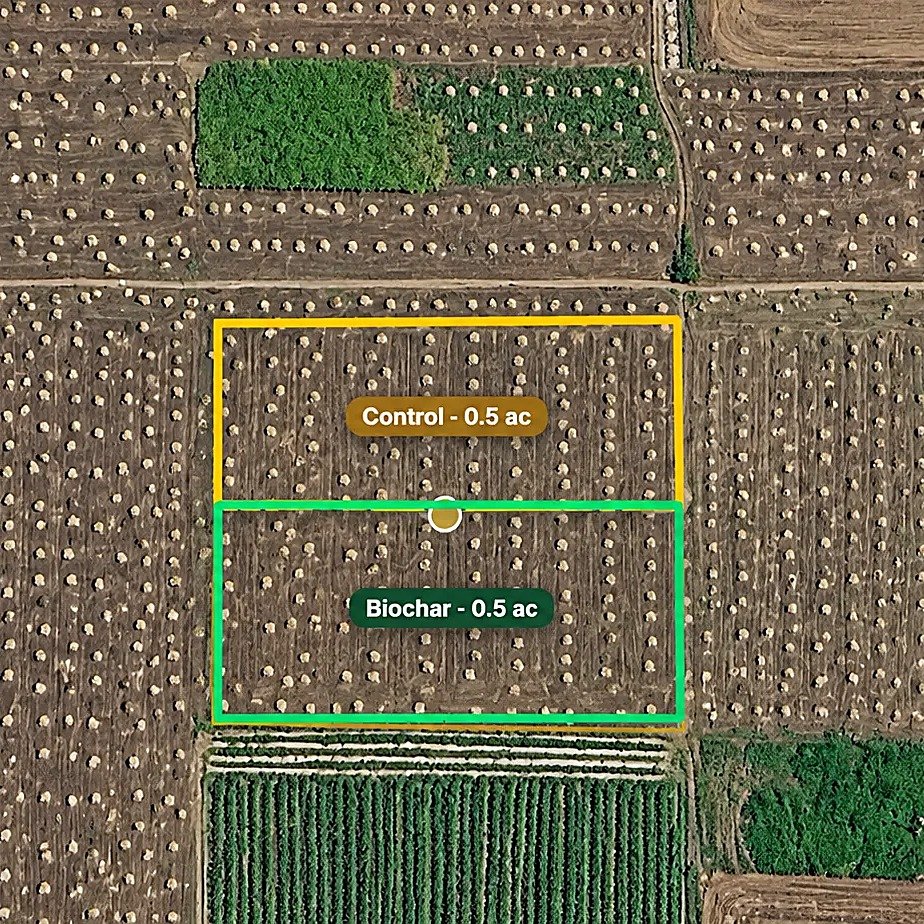
Measured against control plots
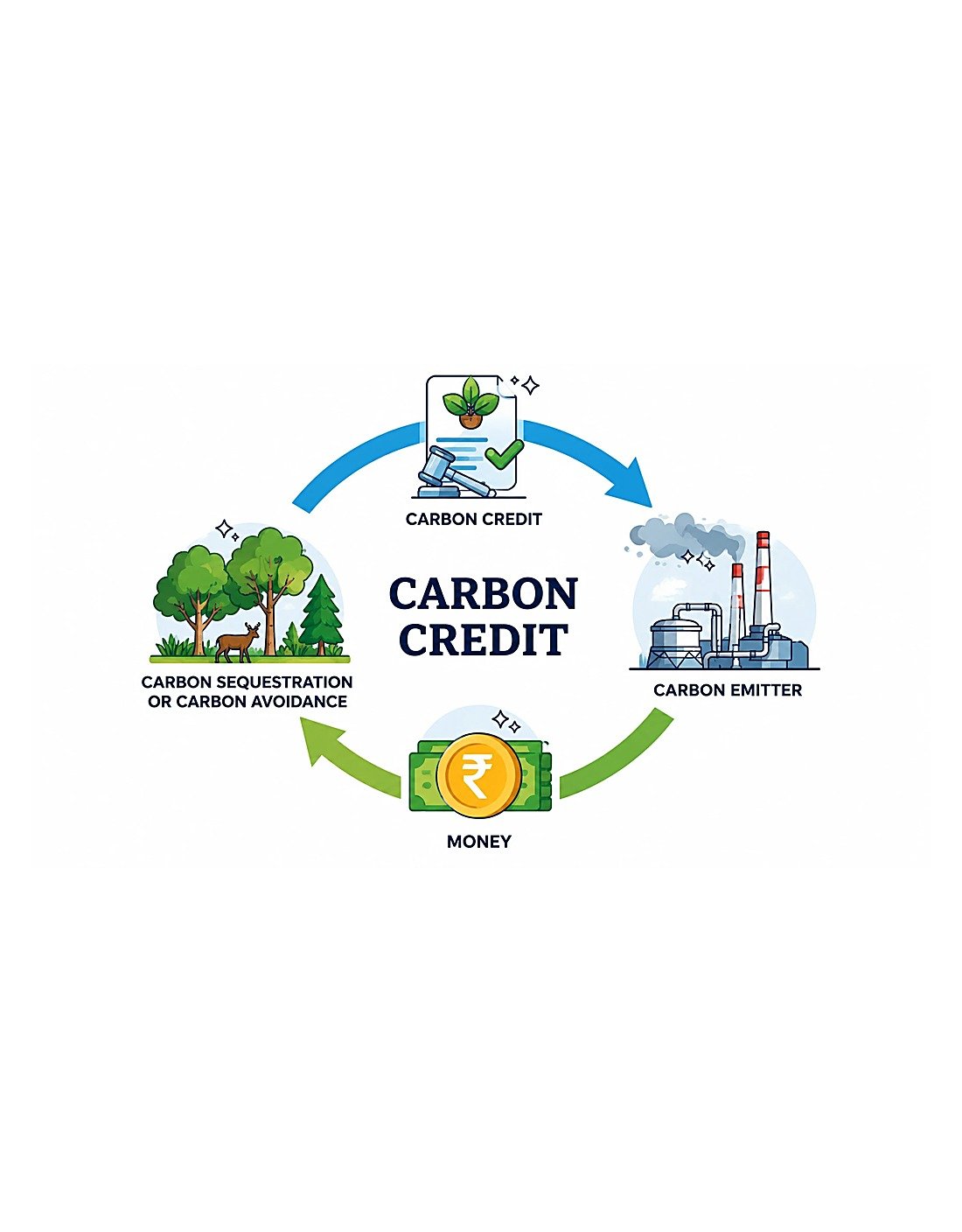
Verified carbon, sold collectively
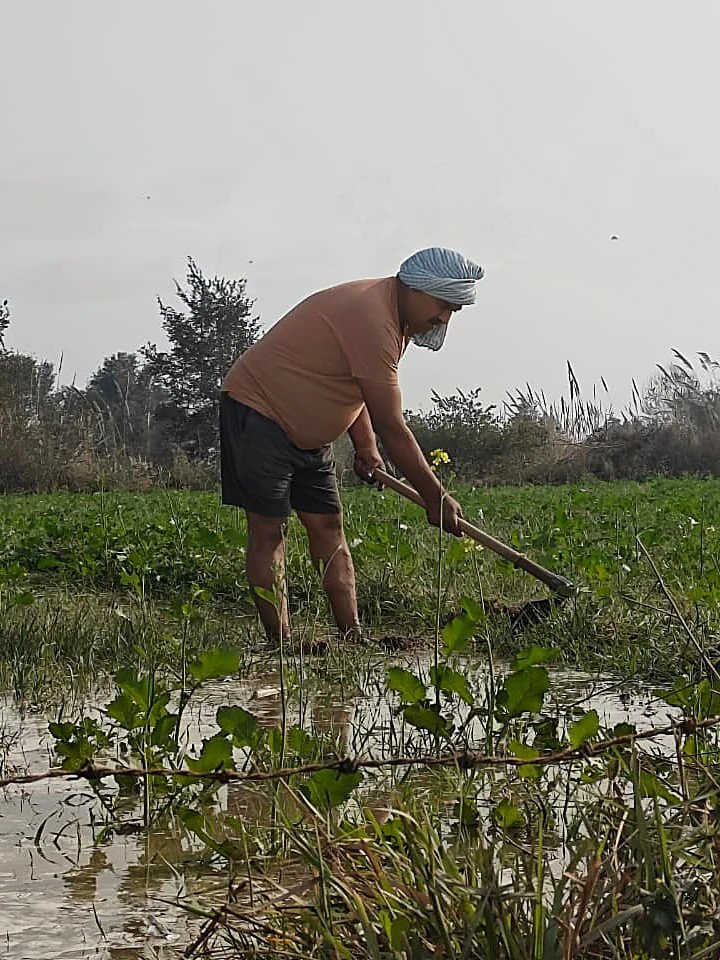
Returns paid back to growers
FROM STRAW
TO SOIL
Understanding how existing units run before designing a kiln a village can operate itself.
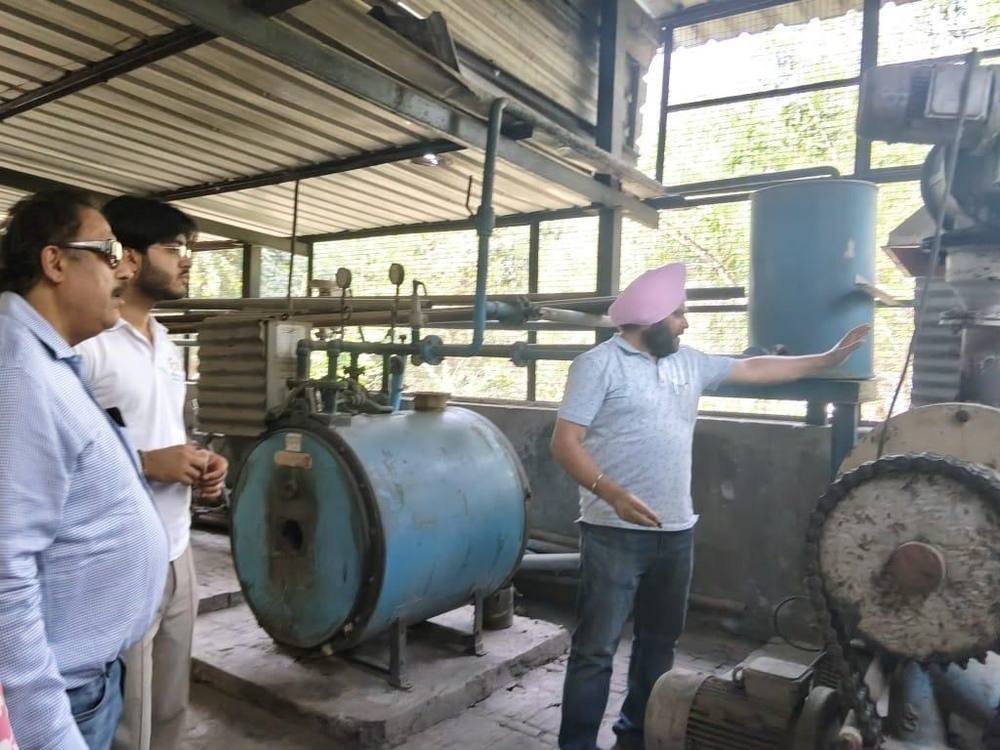
Rice straw carbonised into a stable, porous char that holds water and nutrients in the soil.
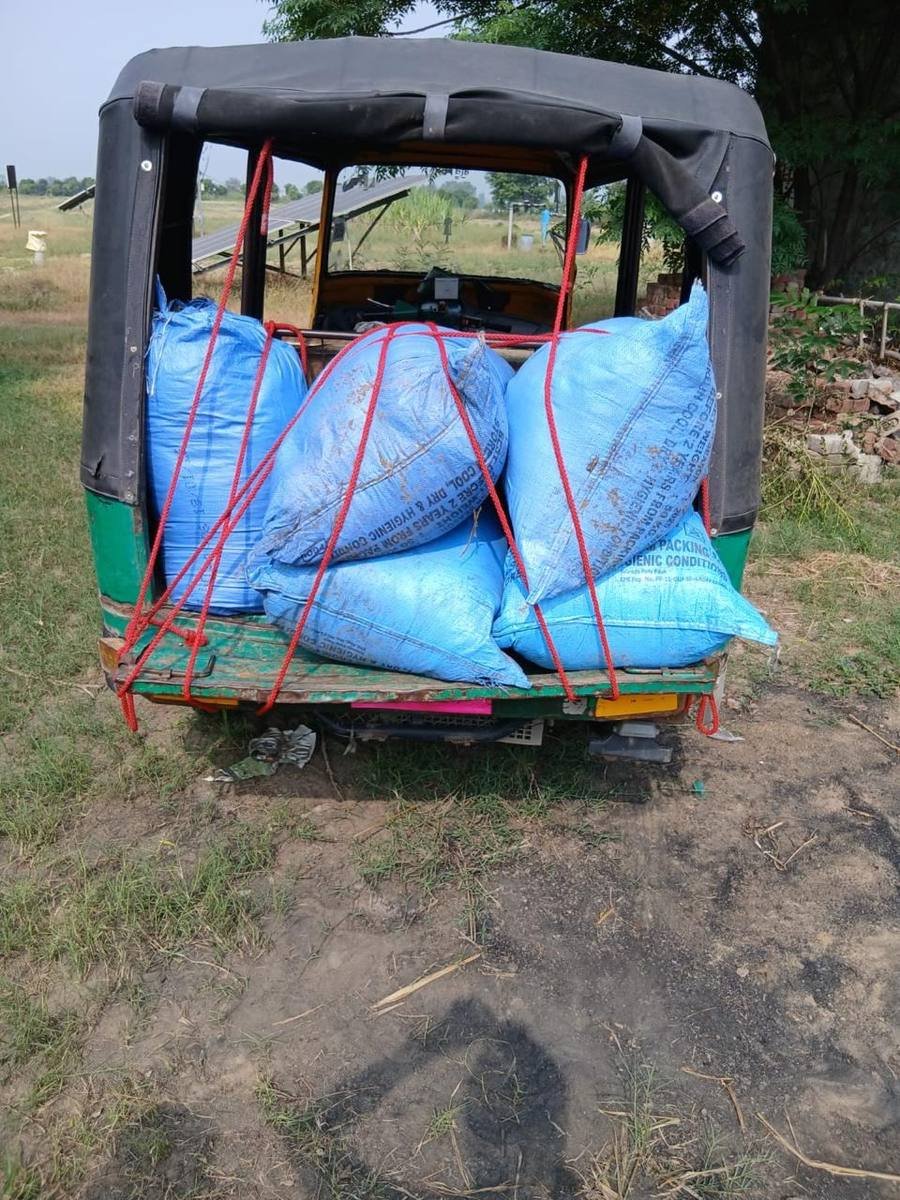
Four tonnes packed and carried to the farms, village by village.
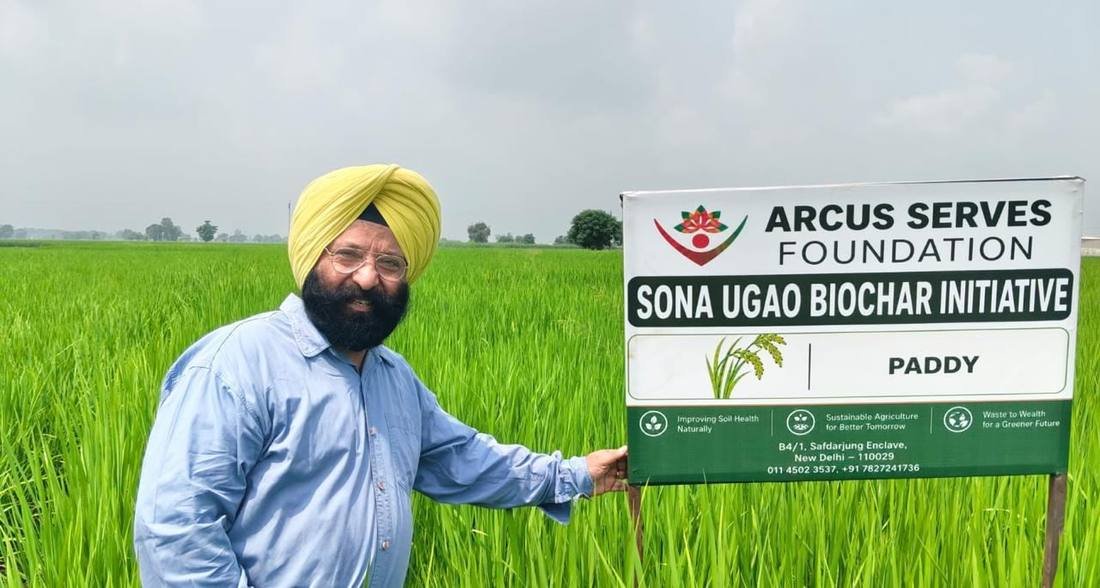
Each treatment plot is marked and matched to a control plot on the same farm.
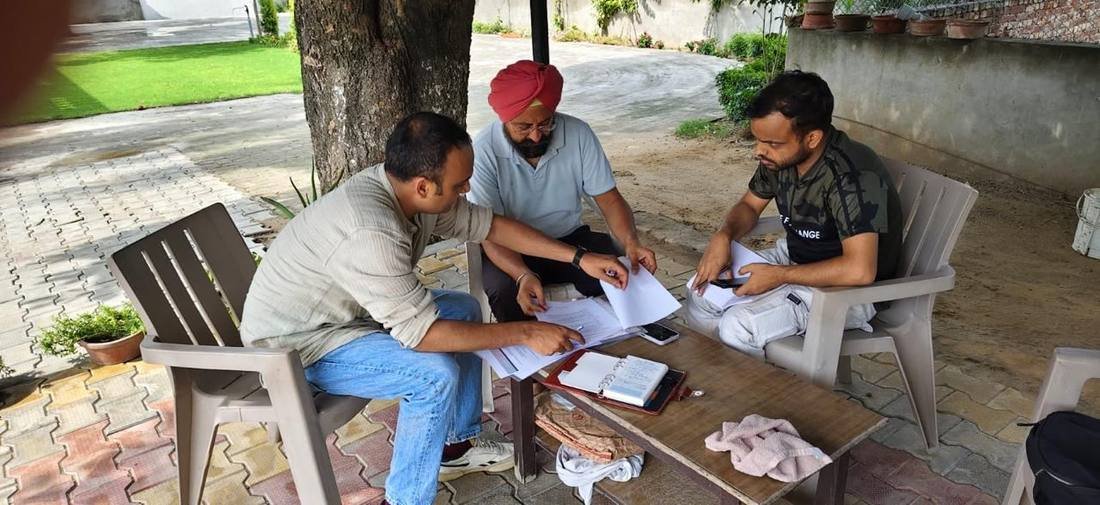
Plot details, inputs and practices recorded so results can be measured, not guessed.
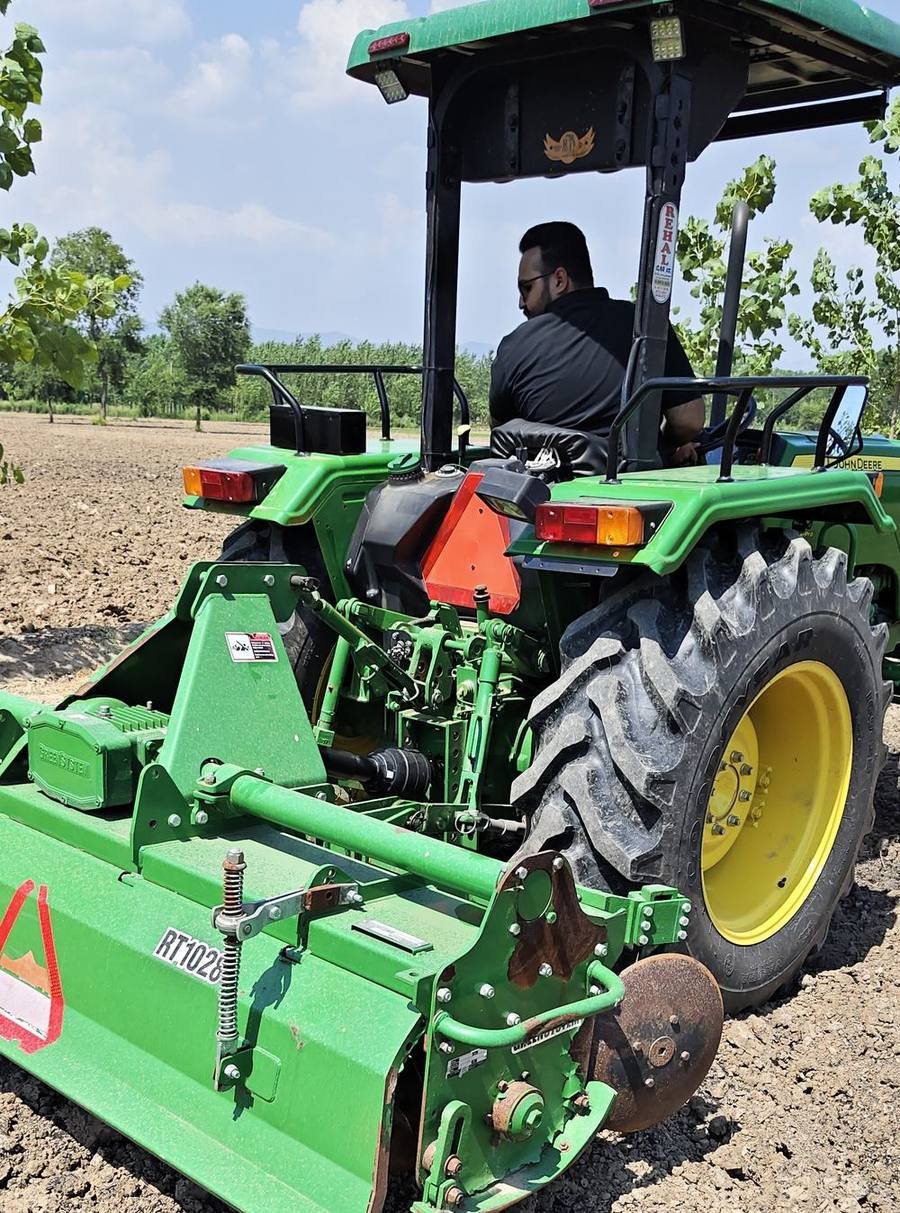
Biochar spread and incorporated ahead of transplanting, following the recommended practice.
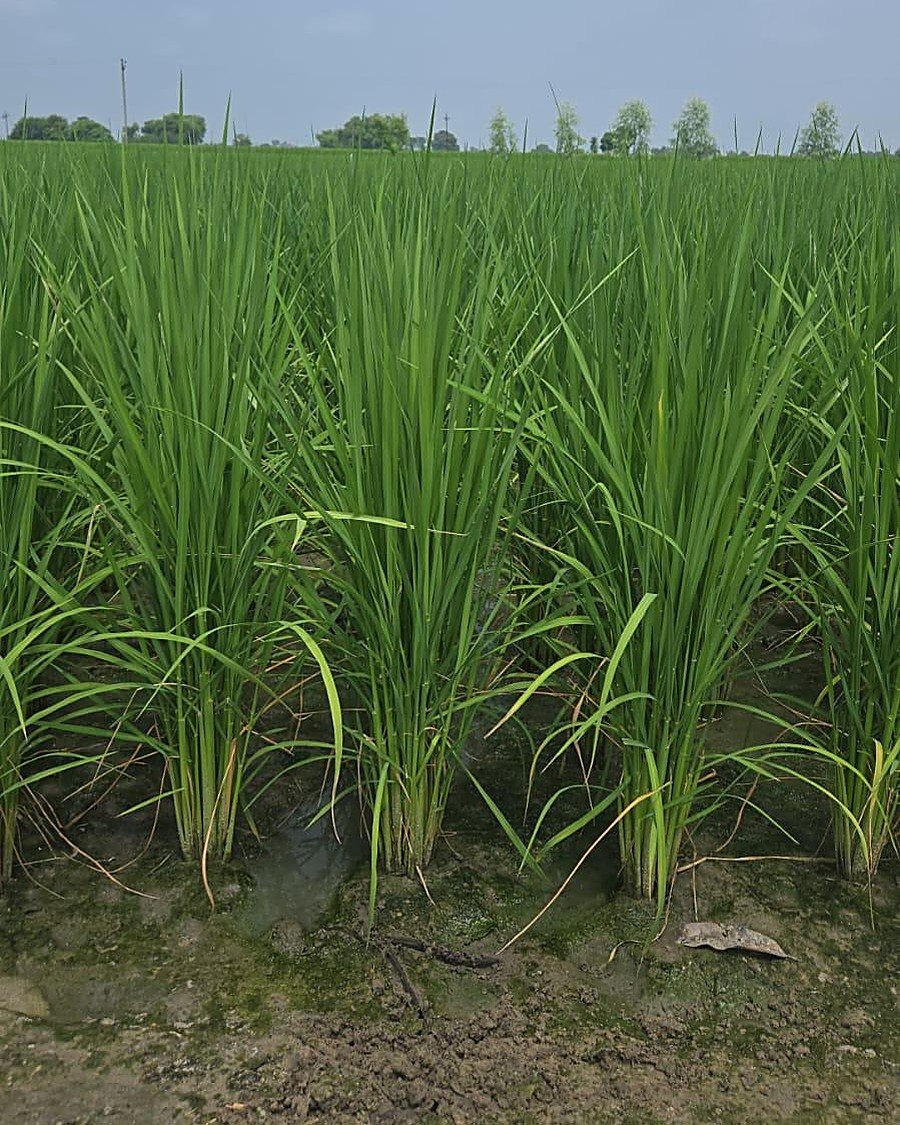
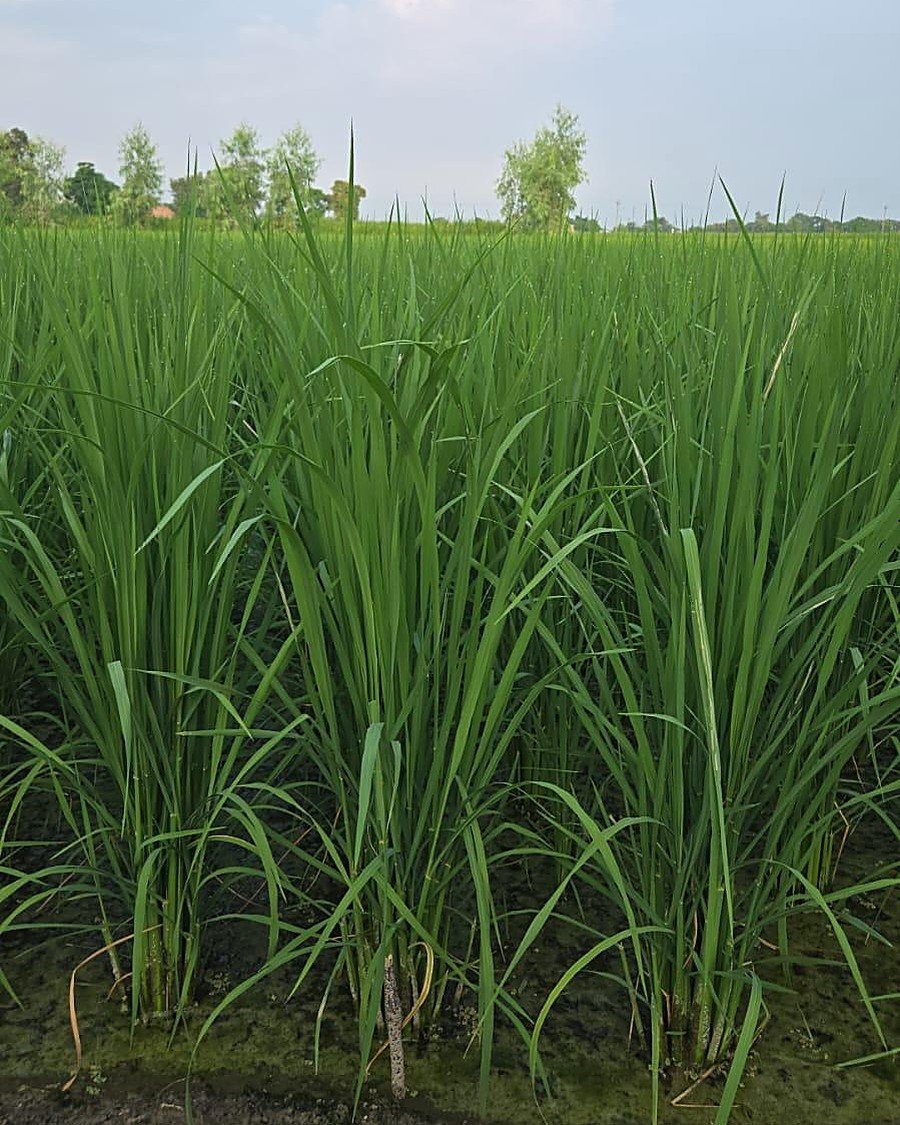
Early season, and the treated plots already read differently.